




Scleral Lenses vs. Soft Contacts: Which Provides Better Comfort During Summer Activities?
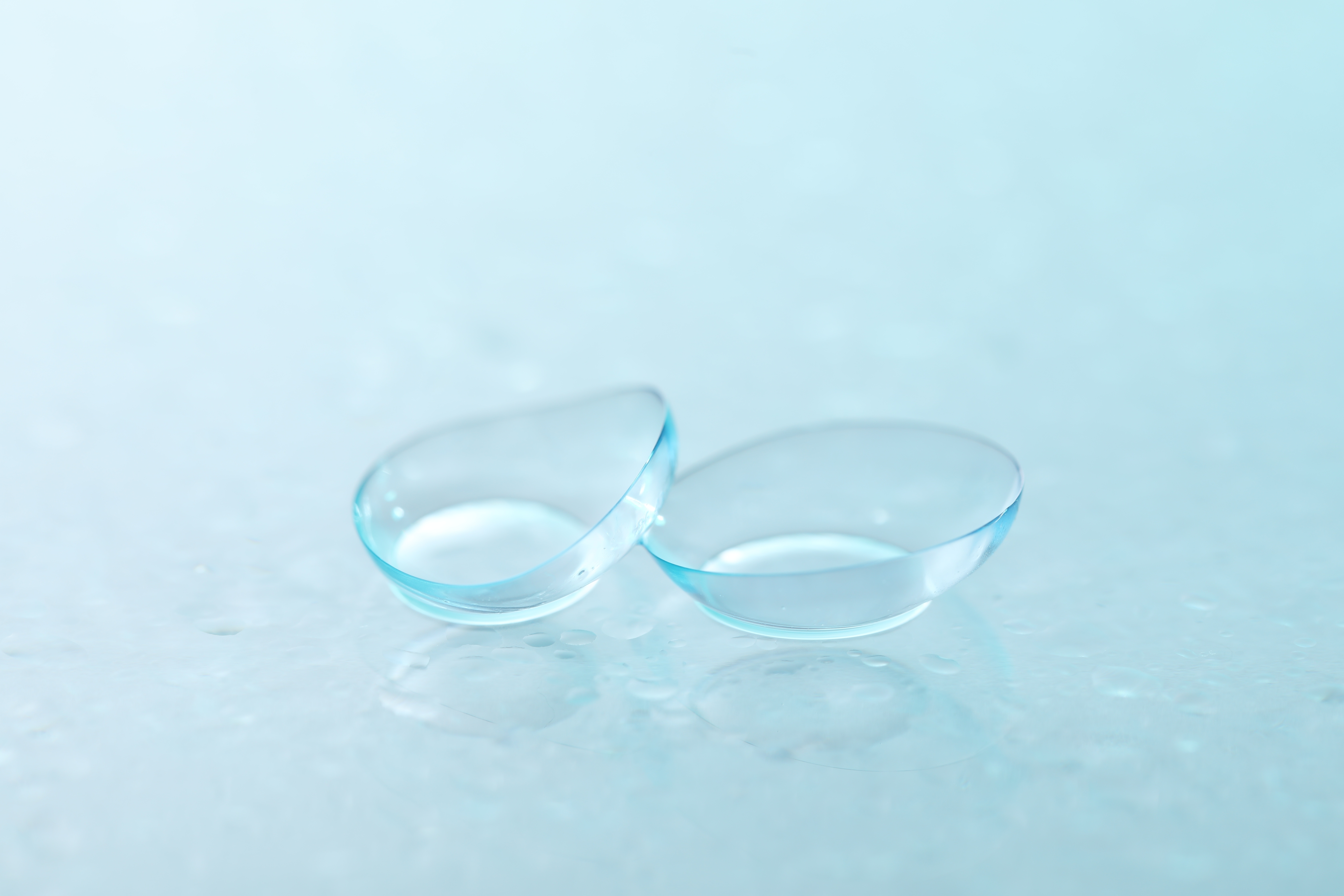
Summer in Katy can be tough on contact lens wearers. Heat, humidity, wind, pollen, air conditioning, and long outdoor days can all make lenses feel dry or unstable. If your soft contacts blur, shift, or become uncomfortable before the day is over, it may be time to ask whether scleral lenses could provide better comfort during summer activities.
At Fulshear Eye Center, we help patients in Katy find contact lens options that match their eye health, prescription, and lifestyle. For some patients, standard soft contacts work well. For others, scleral lenses may offer more stable vision and improved comfort, especially during busy summer routines.
What Are Soft Contact Lenses?
Soft contact lenses are the most common type of contact lenses. They are flexible, lightweight, and available in many prescriptions. Many patients choose soft contacts because they are easy to adapt to and can be worn for daily activities, work, school, and sports.
Soft lenses may come in daily, biweekly, or monthly replacement schedules. When they fit well and are cared for properly, they can be a convenient option. However, some patients struggle with dryness, lens movement, allergies, or fluctuating vision, especially during long summer days in Katy.
What Are Scleral Lenses?
Scleral lenses are specialty contact lenses that are larger than standard soft contacts. Instead of resting directly on the cornea, they vault over the front surface of the eye and rest on the white part of the eye, called the sclera. Before insertion, the lens is filled with sterile saline, creating a fluid layer between the lens and the eye.
This design can help keep the eye hydrated and create a smooth optical surface. Scleral lenses are often recommended for patients with dry eye, keratoconus, irregular corneas, high prescriptions, or difficulty wearing standard contacts comfortably.
Why Summer Activities Can Make Contacts Harder To Wear
Outdoor activities can expose your eyes to sun, wind, dust, pollen, sweat, and changing temperatures. Indoor air conditioning can also dry out the tear film. For patients in Katy who enjoy sports, travel, pool days, outdoor work, or long drives, these factors can make contact lens comfort more difficult.
Soft contacts may dry out or collect deposits throughout the day. If the lens surface becomes less stable, your vision may blur, and your eyes may feel gritty or irritated. Scleral lenses can sometimes provide a more protective and moisture-supporting fit for patients who struggle with these issues.
Signs You May Need A Different Contact Lens Option
You may benefit from a specialty contact lens evaluation if you notice:
- Contact lenses that feel dry, scratchy, or uncomfortable
- Blurry or fluctuating vision during the day
- Lenses that move, rotate, or feel unstable
- Discomfort during sports or outdoor activities
- Contact lens irritation in wind, pollen, or air conditioning
- Difficulty wearing lenses for a full day
- Dry eye symptoms or excessive watering
- A history of keratoconus or irregular corneas
These symptoms do not always mean you need scleral lenses, but they are signs that your current lenses may not be the best fit.
Scleral Lenses For Dry Eye And Stability
One of the biggest benefits of scleral lenses is the fluid reservoir beneath the lens. This layer can help the eye stay more comfortable during wear, which may be helpful for patients with dry eye or irritation from environmental triggers.
Because scleral lenses are larger and more stable, they may also move less during blinking or activity. This can support clearer, more consistent vision for patients whose soft contacts shift or dry out.
When Soft Contacts May Still Be The Best Choice
Soft contacts are still a great option for many patients. Daily disposable lenses, for example, can be helpful for summer allergies because each day starts with a fresh lens. Soft contacts may also be easier for new wearers and convenient for patients with straightforward prescriptions.
The best lens depends on your eyes, comfort needs, prescription, tear film, and daily routine. A contact lens exam can help determine whether soft contacts, scleral lenses, Ortho-K, or another option is the right fit.
Choosing The Right Lenses For Your Lifestyle
There is no one-size-fits-all answer when comparing scleral lenses vs. soft contacts. If your current lenses feel comfortable and your vision stays clear, soft contacts may continue to work well. If you are dealing with dryness, distortion, or unstable vision, scleral lenses may provide the support your eyes need.
Schedule a contact lens exam with Fulshear Eye Center in Katy, TX by calling (832) 571-2020. Visit us at 29807 Jordan Crossing Blvd. #600, Katy, TX 77494.

MAP
CONTACT INFORMATION

HOURS OF OPERATION
Monday 9:00am - 5:30pm
Tuesday 9:00am - 5:00pm
Wednesday 9:00am - 5:00pm
Thursday 9:00am - 5:30pm
Friday 9:00am - 5:00pm
Saturday Closed
Sunday Closed
Powered by: