


Blog list
Fulshear Eye Center Blog
Learn more about optometrist care in our blog!
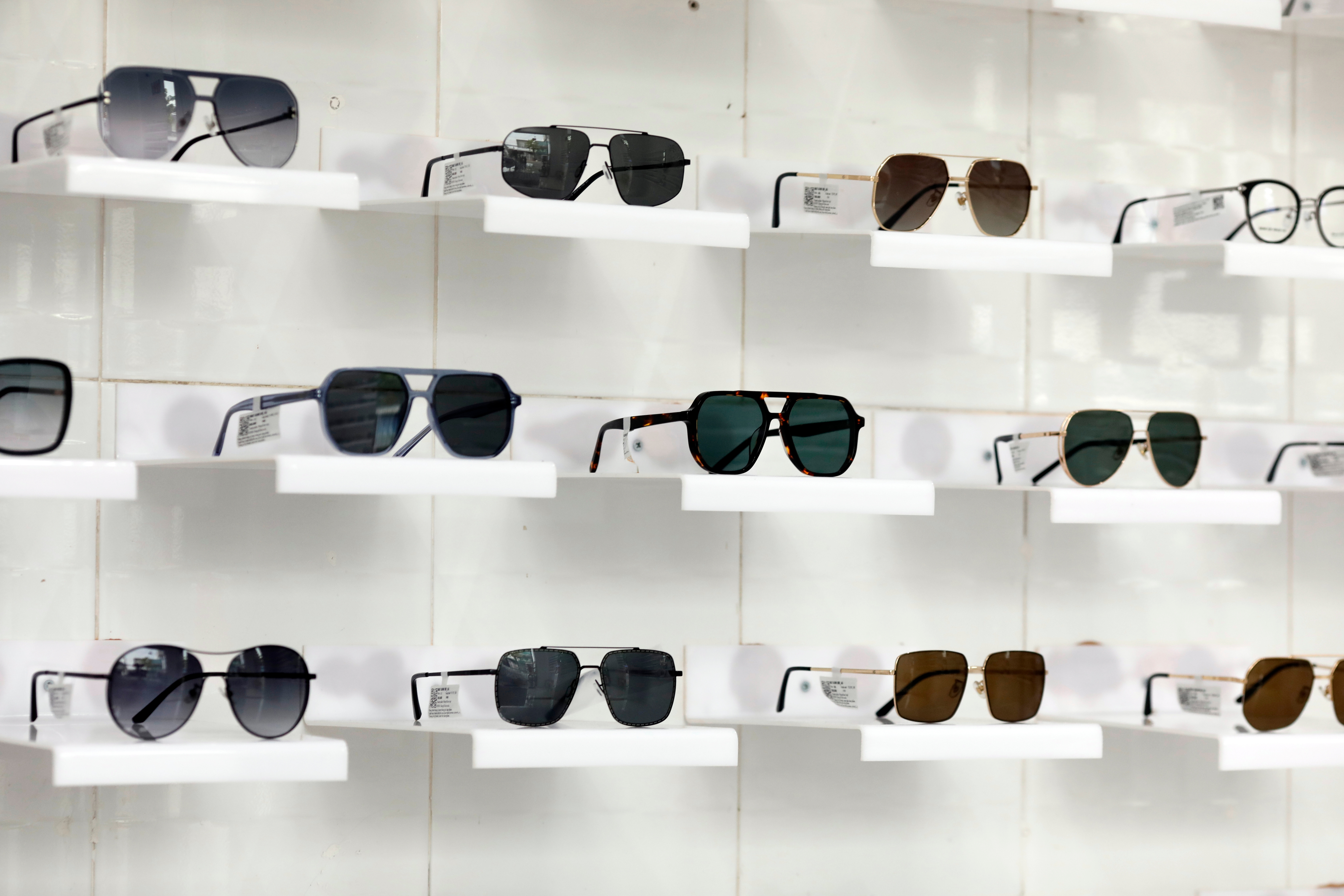
Summer in Katy brings bright skies, hot roads, long drives, pool days, outdoor sports, and plenty of glare. If you wear prescription glasses, regular sunglasses may not give you the clarity you need, while clear everyday lenses may leave you squinting in the Texas sun. Polarized prescription sunglasses offer a practical solution by combining vision correction, UV protection, and glare reduction in one pair.
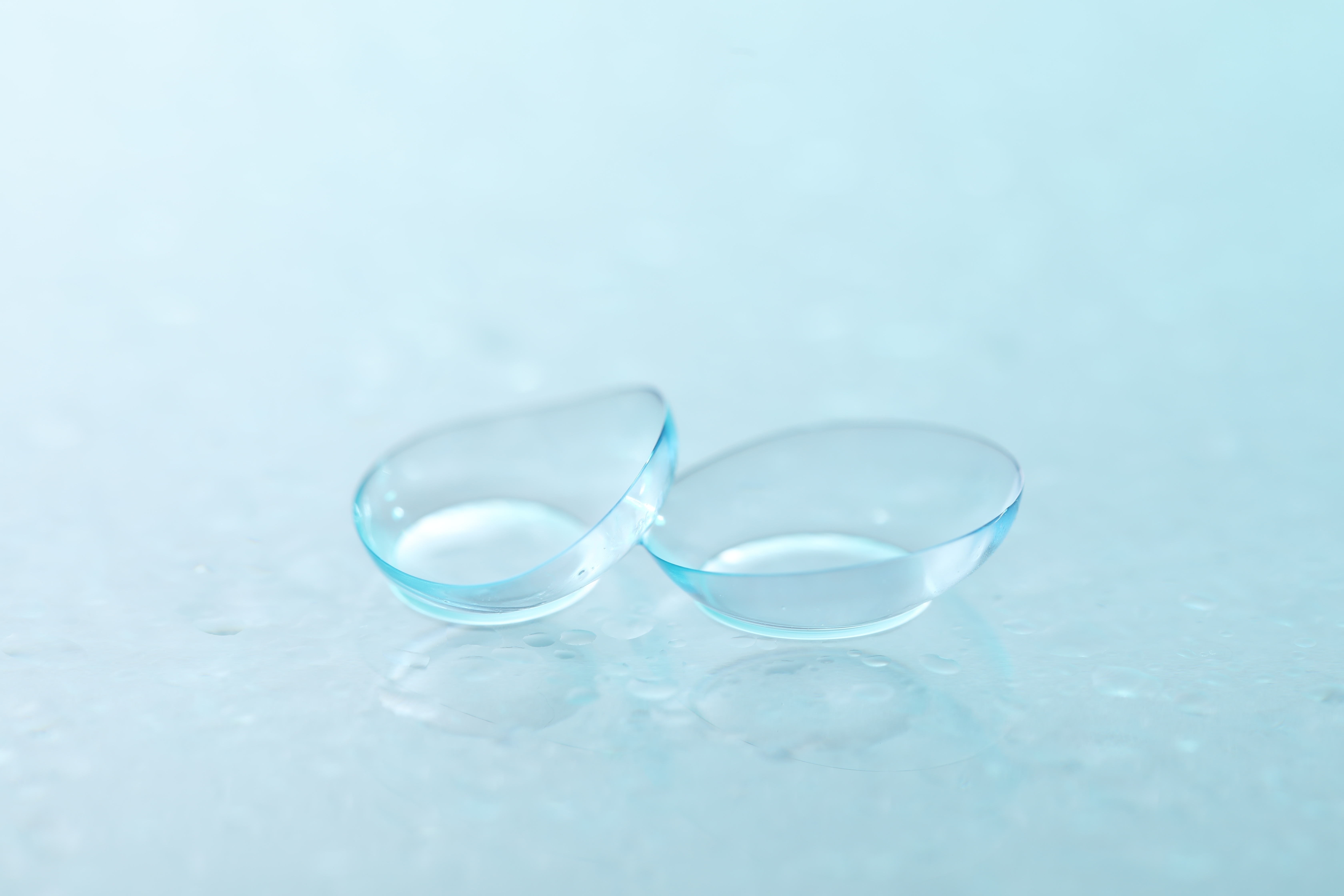
Summer in Katy can be tough on contact lens wearers. Heat, humidity, wind, pollen, air conditioning, and long outdoor days can all make lenses feel dry or unstable. If your soft contacts blur, shift, or become uncomfortable before the day is over, it may be time to ask whether scleral lenses could provide better comfort during summer activities.

Limbal fit contact lenses are designed to provide a more stable fit by carefully aligning with the shape of the eye near the limbus, the area where the cornea meets the white part of the eye. This detail matters because even small fitting issues can affect how a contact lens feels, moves, and supports clear vision throughout the day.
Rigid gas-permeable lenses, often called RGP lenses, are a specialty contact lens option designed to provide crisp vision, durability, and a highly customized fit. Unlike soft lenses, RGP lenses keep their shape on the eye, which can help deliver sharper vision for patients with more complex vision needs.

Myopia management is about more than updating a child’s glasses prescription. It focuses on slowing the progression of nearsightedness over time, which may help reduce the risk of future eye health complications associated with higher levels of myopia. One of the most widely discussed treatment options is atropine eye drops.
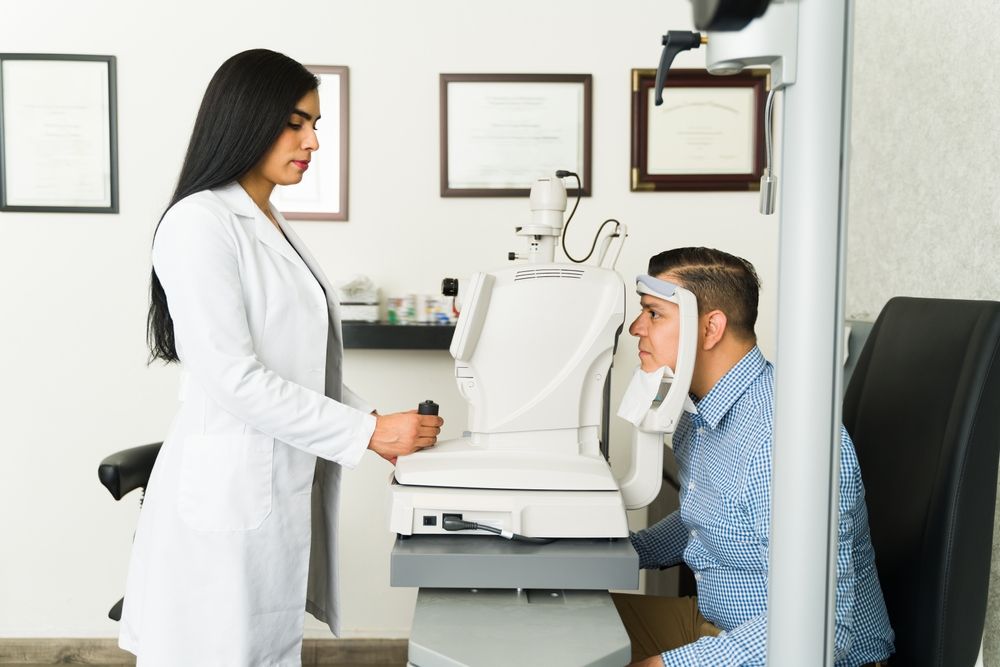
Your eyes play a vital role in how you experience the world, but maintaining healthy vision requires more than simply updating your glasses prescription. Different types of eye exams are designed to evaluate specific aspects of your vision and detect potential concerns before they affect your sight.

If your child has been diagnosed with nearsightedness (myopia), you may have heard about Essilor Stellest lenses as a newer option designed to slow its progression. But what exactly are they, and do they really work?

Eyestrain is a common issue in today’s fast-paced, technology-driven world. Many people experience discomfort, blurred vision, and headaches after long hours of work or screen use without realizing that these symptoms stem from their daily habits. Understanding what causes eyestrain and how to prevent it can help you protect your vision and maintain long-term eye comfort.
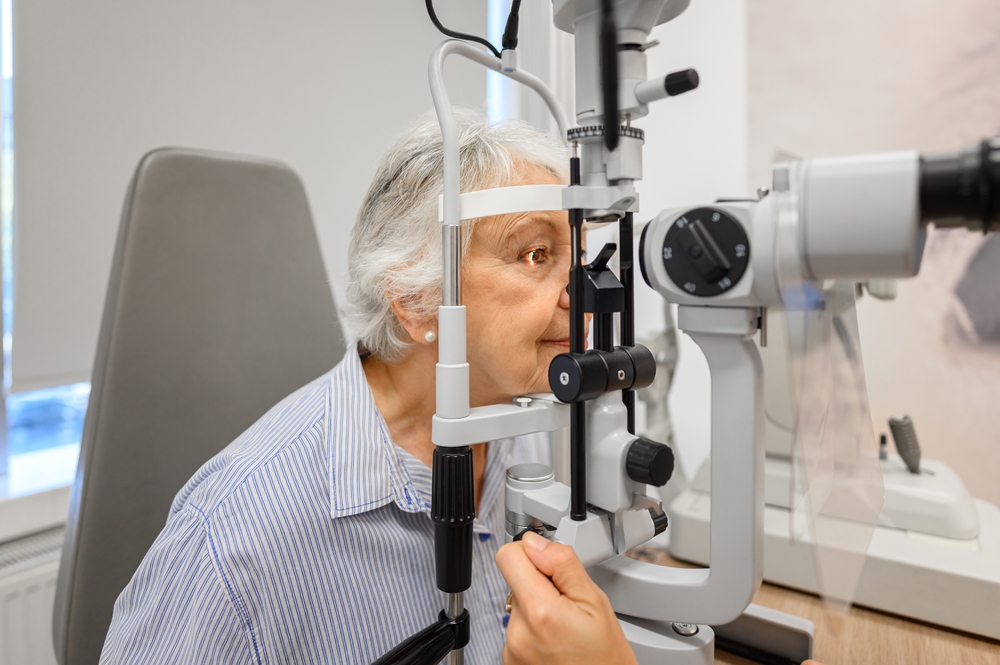
Glaucoma is one of the leading causes of irreversible vision loss worldwide, yet many people are unaware they have it until permanent damage has already occurred. Often referred to as the “silent thief of sight,” glaucoma typically develops slowly and without noticeable symptoms in its early stages. At Fulshear Eye Center, we emphasize the importance of routine medical eye exams to detect glaucoma early, monitor eye health changes, and help preserve your vision for years to come.

Myopia is becoming increasingly common in children worldwide. It occurs when the eye grows too long from front to back, causing light to focus in front of the retina instead of directly on it. This leads to blurry distance vision and, over time, can increase the risk of serious eye conditions such as retinal detachment, glaucoma, and macular degeneration. Fortunately, innovative treatments like MiSight® 1 day contact lenses are helping to slow down myopia progression in children.


MAP
CONTACT INFORMATION

HOURS OF OPERATION
Monday 9:00am - 5:30pm
Tuesday 9:00am - 5:00pm
Wednesday 9:00am - 5:00pm
Thursday 9:00am - 5:30pm
Friday 9:00am - 5:00pm
Saturday By Appointment
Sunday Closed
Powered by: 
