



Understanding Different Types of Eye Exams and What They Reveal
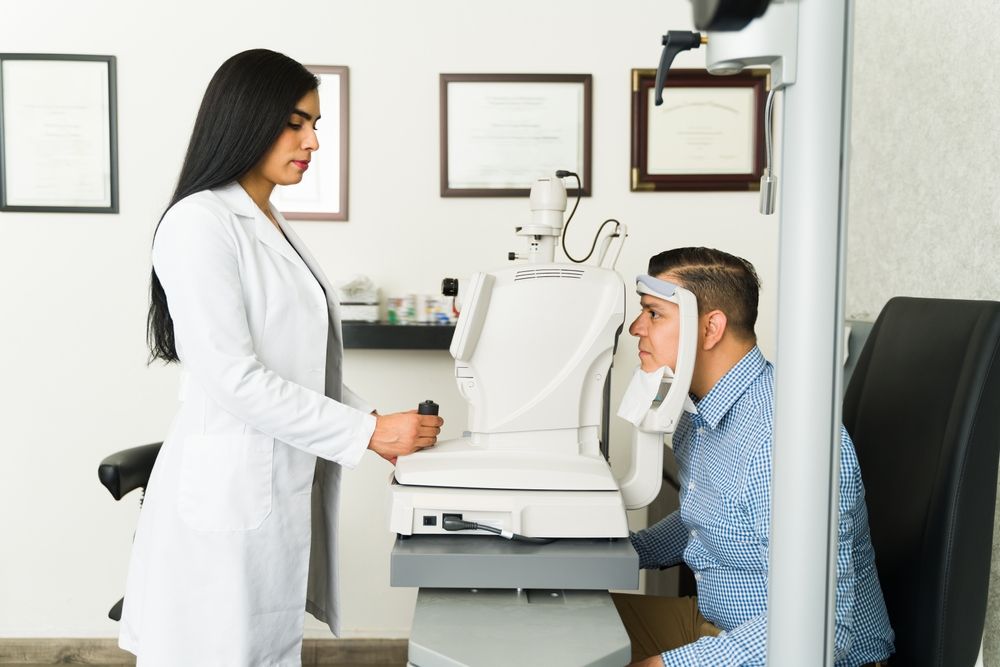
Your eyes play a vital role in how you experience the world, but maintaining healthy vision requires more than simply updating your glasses prescription. Different types of eye exams are designed to evaluate specific aspects of your vision and detect potential concerns before they affect your sight. At Fulshear Eye Center, we provide a range of specialized exams to ensure every patient receives the right level of care for their unique needs.
Comprehensive Eye Exam
A comprehensive eye exam is the foundation of routine vision care. This exam evaluates not only how clearly you see but also the overall health of your eyes.
During a comprehensive eye exam, your optometrist will typically:
- Review your medical and vision history
- Perform a visual acuity test to measure how well you see at various distances
- Conduct a refraction test to determine your glasses or prescription needs
- Assess eye coordination and focusing ability
- Examine the internal and external structures of your eyes
- Screen for common eye diseases such as glaucoma, macular degeneration, and cataracts
A comprehensive eye exam can detect:
- Refractive errors like nearsightedness, farsightedness, and astigmatism
- Early signs of eye diseases that may not cause symptoms initially
- Underlying health issues such as high blood pressure or autoimmune conditions that may show signs in the eyes
Even if your vision seems fine, many eye conditions develop silently. Regular comprehensive exams are essential for early detection and long-term eye health.
Contact Lens Exam
A contact lens exam goes beyond a standard vision check. While it includes many elements of a comprehensive eye exam, it also focuses specifically on fitting and evaluating contact lenses for comfort, safety, and clarity.
In addition to checking your prescription, a contact lens exam involves:
- Measuring the curvature and shape of your cornea
- Evaluating tear film quality to ensure your eyes can comfortably support contact lenses
- Determining the appropriate lens type (daily, bi-weekly, monthly, toric, multifocal, etc.)
- Performing a contact lens fitting and trial evaluation
- Assessing how the lenses move and sit on your eyes
A contact lens exam helps identify:
- The most suitable lens material and design for your eyes
- Potential dry eye concerns
- Corneal irregularities that could impact comfort or vision
- Proper lens fit to prevent complications such as infections or corneal damage
Contact lenses are medical devices, and an accurate fit is critical to maintaining healthy eyes while enjoying the convenience of lens wear.
Diabetic Eye Exam
If you are living with diabetes, routine diabetic eye exams are especially important. Diabetes can affect the tiny blood vessels in the retina, leading to a condition known as diabetic retinopathy.
A diabetic eye exam may involve:
- Pupil dilation to allow a detailed view of the retina
- Retinal imaging to capture high-resolution images of the back of the eye
- Evaluation of blood vessels for leakage, swelling, or abnormal growth
- Visual acuity testing
This specialized exam can detect:
- Diabetic retinopathy
- Diabetic macular edema
- Glaucoma
- Cataracts
Because diabetic eye disease can progress without noticeable symptoms in its early stages, regular exams are critical for early intervention and preserving sight.
Take the Next Step at Fulshear Eye Center
From routine comprehensive exams to specialized contact lens fittings and diabetic eye evaluations, each exam plays an important role in protecting your eyesight and detecting concerns early. At Fulshear Eye Center, we take a personalized approach to eye care, tailoring each visit to your individual needs and health history so you can enjoy clear, comfortable vision at every stage of life.
Whether you’re due for a routine checkup, interested in contact lenses, or managing diabetes, we are here to help. Contact Fulshear Eye Center to schedule your appointment and experience thorough eye care designed around you. Visit our office in Katy, Texas, or call (832) 571-2020 today.

MAP
CONTACT INFORMATION

HOURS OF OPERATION
Monday 9:00am - 5:30pm
Tuesday 9:00am - 5:00pm
Wednesday 9:00am - 5:00pm
Thursday 9:00am - 5:30pm
Friday 9:00am - 5:00pm
Saturday Closed
Sunday Closed
Powered by: