




Understanding Glaucoma and the Importance of Early Detection
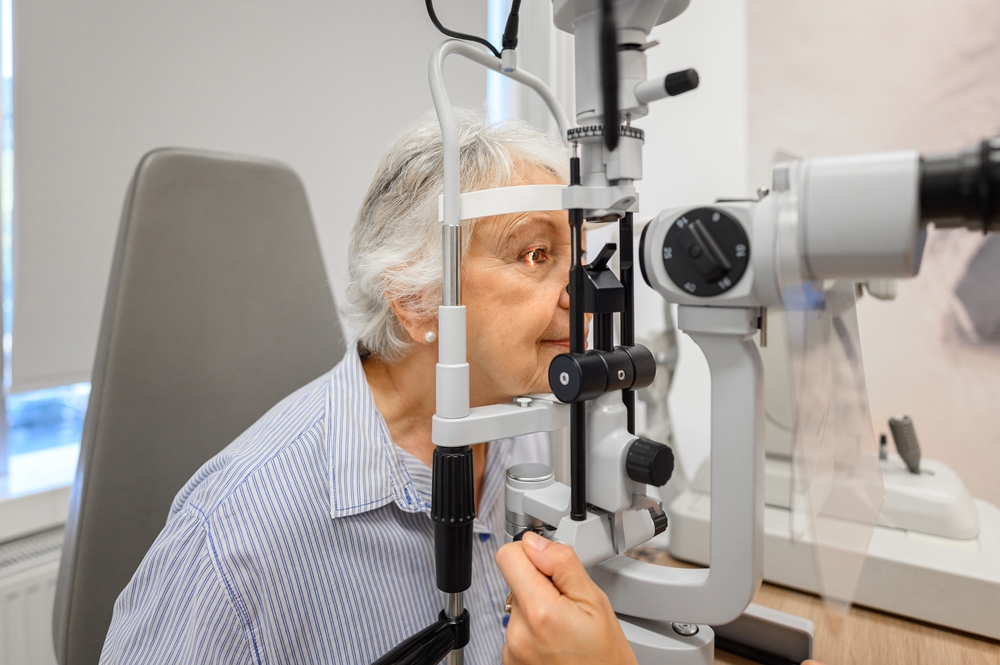
Glaucoma is one of the leading causes of irreversible vision loss worldwide, yet many people are unaware they have it until permanent damage has already occurred. Often referred to as the “silent thief of sight,” glaucoma typically develops slowly and without noticeable symptoms in its early stages. At Fulshear Eye Center, we emphasize the importance of routine medical eye exams to detect glaucoma early, monitor eye health changes, and help preserve your vision for years to come.
What Is Glaucoma?
Glaucoma is a group of eye diseases that damage the optic nerve, which is responsible for transmitting visual information from the eye to the brain. This damage is most commonly associated with elevated intraocular pressure (IOP), although glaucoma can occur even when eye pressure is within a normal range.
The most common forms of glaucoma include:
• Primary open-angle glaucoma: The most prevalent type, developing gradually with no early symptoms.
• Angle-closure glaucoma: A less common but more urgent form that can cause sudden symptoms and requires immediate treatment.
• Normal-tension glaucoma: Optic nerve damage occurs despite normal eye pressure.
• Secondary glaucoma: Caused by underlying conditions such as injury, inflammation, or medication use.
Without early detection and treatment, glaucoma can lead to permanent vision loss and eventual blindness.
Why Glaucoma Often Goes Undetected
One of the biggest challenges with glaucoma is that it rarely causes pain or noticeable vision changes in the early stages. Peripheral (side) vision is usually affected first, and many people do not recognize these subtle changes until the disease has progressed significantly.
By the time central vision becomes impacted, optic nerve damage is often advanced and irreversible. This is why waiting for symptoms to appear is not a safe strategy when it comes to glaucoma.
The Role of Routine Medical Eye Exams
Routine medical eye exams are the most effective way to detect glaucoma early. During a comprehensive eye exam at Fulshear Eye Center, your optometrist evaluates much more than your vision prescription. These exams allow us to identify early signs of glaucoma long before symptoms develop.
A glaucoma evaluation may include:
• Measurement of intraocular pressure
• Examination of the optic nerve
• Assessment of peripheral vision
• Evaluation of corneal thickness
• Imaging or scans of the optic nerve when necessary
These tests help us establish a baseline for your eye health and monitor changes over time, which is essential for early diagnosis and ongoing management.
Who Is at Higher Risk for Glaucoma?
While anyone can develop glaucoma, certain individuals are at higher risk and may need more frequent eye exams. Risk factors include:
• Age 40 and older
• Family history of glaucoma
• African American, Hispanic, or Asian descent
• Diabetes or high blood pressure
• History of eye injury or surgery
• Long-term use of steroid medications
If you fall into one or more of these categories, routine medical eye exams are especially important for protecting your vision.
The Importance of Ongoing Monitoring
Glaucoma is a lifelong condition that requires continuous monitoring. Even when treatment successfully lowers eye pressure, regular follow-up exams are essential to ensure the disease remains controlled and does not progress. Routine eye care allows your doctor to adjust treatment as needed and respond quickly to any changes in your condition.
Stay Ahead of Glaucoma with Fulshear Eye Center
Glaucoma is a serious eye disease that often progresses without warning, making early detection essential. Routine medical eye exams play a critical role in identifying glaucoma before vision loss occurs, allowing for timely treatment and better long-term outcomes.
If it has been a while since your last eye exam, or if you have risk factors for glaucoma, now is the time to take action. Contact Fulshear Eye Center to schedule an eye exam and take an important step toward safeguarding your vision for the future. Visit our office in Katy, Texas, or call (832) 571-2020 today.


MAP
CONTACT INFORMATION

HOURS OF OPERATION
Monday 9:00am - 5:30pm
Tuesday 9:00am - 5:00pm
Wednesday 9:00am - 5:00pm
Thursday 9:00am - 5:30pm
Friday 9:00am - 5:00pm
Saturday Closed
Sunday Closed
Powered by: